Psychological understanding
We identify recurring interaction patterns, emotions, needs and skills that can be changed within the specialist’s professional competence.
Mawaddah Institute brings together specialists who combine professional psychology and family mediation with the norms of sharia — from preparing for the nikah to raising children.
A structured way to understand the situation, lower harm, restore dialogue and help people make a deliberate decision consistent with their values.
We identify recurring interaction patterns, emotions, needs and skills that can be changed within the specialist’s professional competence.
We separate positions from interests, give both sides a voice and turn a difficult conversation into clear, voluntary agreements.
We consider mercy, justice, responsibility, dignity and the family’s religious commitments. Questions requiring a ruling are referred to a qualified scholar.
No humiliation, pressure through religion or automatic assignment of guilt.
Threats, violence, coercive control and risks to children are assessed before joint work.
The specialist explains the format and limits; decisions remain with the people affected.
We do not take sides in a dispute, but we do name harm, rights violations and unsafe behaviour.
Children are not messengers, judges or leverage. Their stability and relationships with safe adults are protected.
We begin with the least intensive format likely to help and refer onward when the case exceeds our competence.
Request, participants, urgency, risks, suitable format and the need for emergency or specialist referral.
Each side’s view, the recurring cycle, resources, values, constraints and what has already been tried.
One concrete goal, roles, confidentiality limits, indicators of progress and the next review point.
Conversation skills, emotional regulation, boundary setting, negotiated agreements and decisions tested in real life.
What changed, what remains fragile, a relapse-prevention plan and a follow-up or referral if needed.
Clarify expectations, values, finances, family boundaries, parenthood plans and non-negotiable differences before commitments are made.
Restore a workable conversation, interrupt destructive cycles and agree on observable changes rather than vague promises.
Strengthen contact, age-appropriate boundaries and parental consistency without labelling or making the child responsible for adult conflict.
Reconciliation is not pursued at any cost. If separation is chosen, the task is safety, dignity, clear agreements and protection of the children’s relationships.
A beautiful conversation is not enough: the process must be safe, accountable and understandable to the family.
The Institute does not issue fatwas, replace medical or legal care, or promise to preserve every marriage. In an emergency, safety and specialised help take priority over the standard process.

Clinical psychologist, MA in Islamic theology
Family difficulties, anxiety and neurotic conditions

Family systems psychologist, accredited Gestalt therapist
Family crises, marital relationships, divorce, teenagers
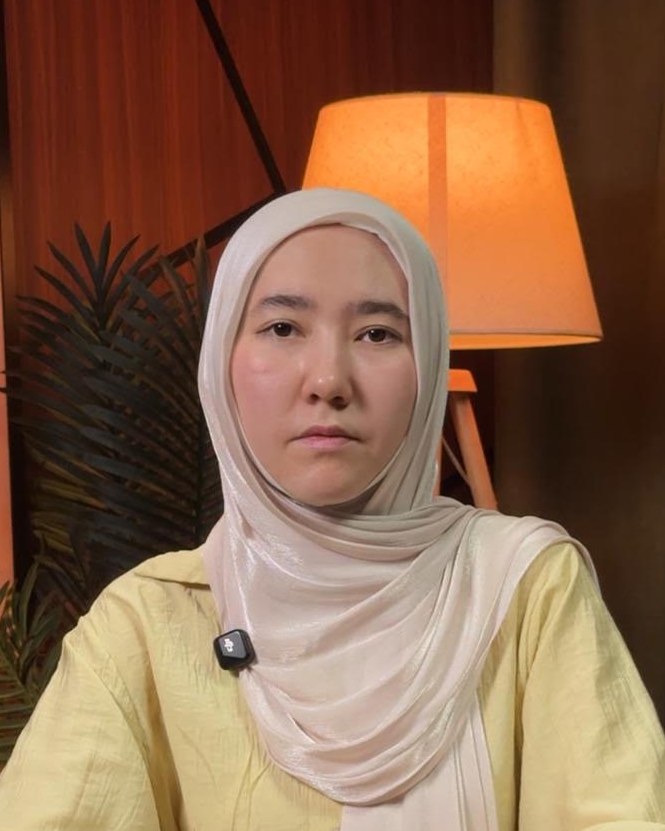
Theologian, MA in Islamic studies, researcher in child upbringing
Islamic upbringing, parent–child relationships

Family mediator and Islamic scholar
Family conflict, risk of divorce and spiritual causes of crises
We link only to an author, publisher or institutional library. Free availability is shown separately from a preview or purchase.
A narrative about how a child changes an adult's understanding of fatherhood, upbringing and responsibility.
The author's page lists a price and ordering options; no free full edition is offered.
A book on moral and spiritual questions for a person shaping everyday life around faith.
The Russian State Library record marks the document as fully available in its reader.
A practical book presenting a woman's perspective on marriage. Read critically and discuss how advice applies to your circumstances.
No open licence was confirmed; Mawaddah does not host unofficial copies.
Short prompts for men on attention, responsibility and everyday participation in family life.
No open licence was confirmed; Mawaddah does not host unofficial copies.
An academic guide to the family life cycle, marital conflict, parenting and psychological support.
An institutional copy of the academic guide is openly hosted on the university domain.
A substantial academic reader on family models, the family cycle, marital and parent-child relationships.
Reading is provided through the official NEL viewer; access conditions may depend on the item.
Organisations we run programmes, events and screenings with.
Continue the conversation with Mawaddah
New channels are being prepared for expert videos, podcasts, useful cards and Institute news.
VK
Articles, short videos and announcements
Instagram
Stories, Reels and expert answers
Facebook
Institute resources and partner updates
YouTube
Podcasts, interviews and long-form discussions
Rutube
A mirror for video podcasts and lectures