
Meeting after 30 or after divorce: do not begin with an apology
How to look for a spouse when networks are smaller and there may be past experience, children or responsibilities across families.
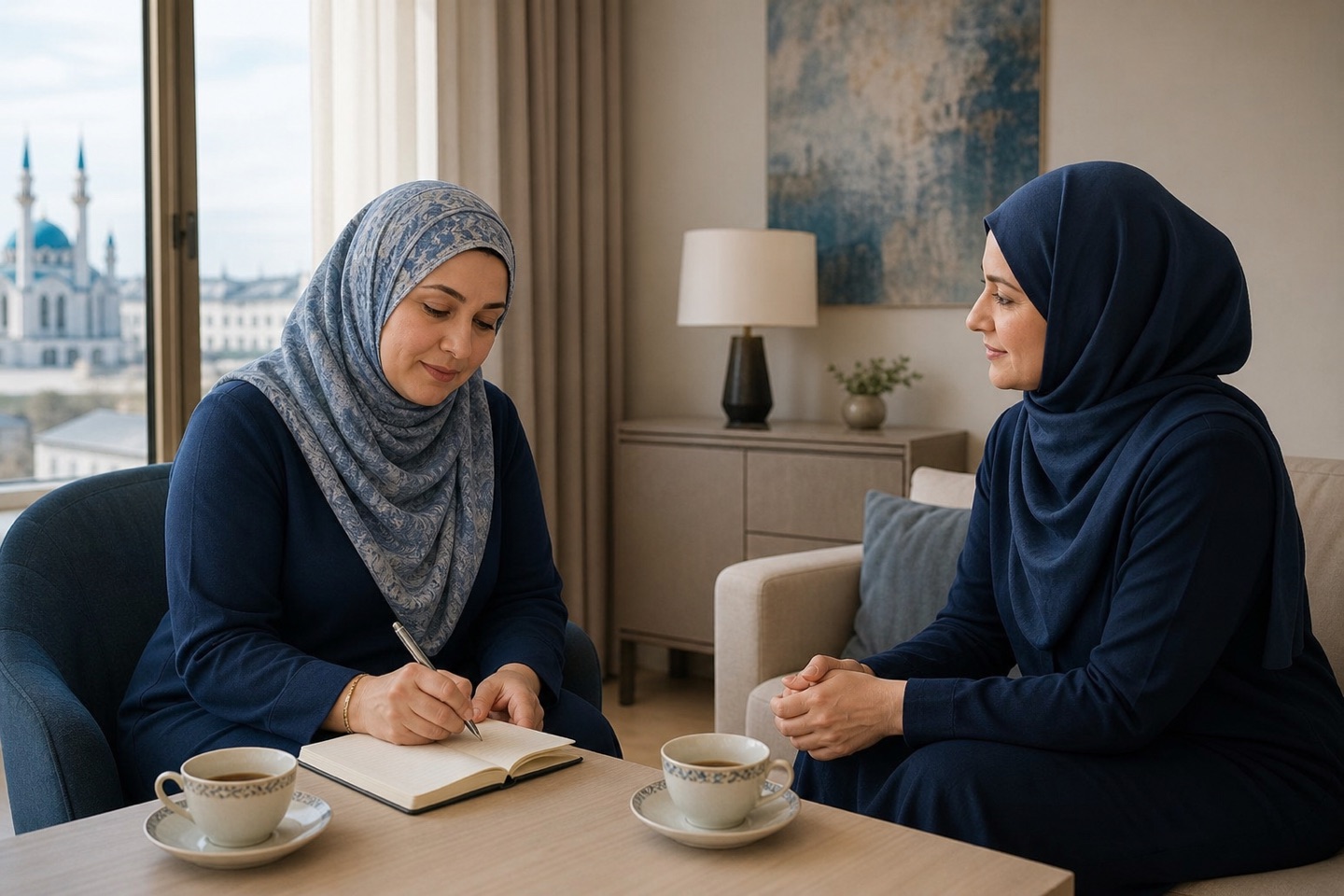
Do not begin with an apology
After thirty or divorce, looking for a spouse can feel like returning to a space whose rules have changed. University networks have faded, friends are occupied with families and apps may feel fast and superficial. The opportunity has not disappeared; it requires a clearer strategy and an honest account of real life.
The first obstacle is not age but the belief that one must apologise for the past. Divorce, widowhood, children or a later decision to marry are important facts, not a complete identity. Share them honestly and early enough, without exposing another family’s private information or publicly prosecuting a former spouse.
Marriage statistics show that later and repeat marriages are not exceptional. Regional Rosstat data contain substantial numbers of marriages after 35 and repeat marriages. Regional figures cannot be projected onto all Muslims in Russia or the CIS, but they challenge the idea that family formation belongs only to early adulthood.
Account for real adult life
A mature search often reaches beyond the old social circle: trusted family friends, professional and educational communities, volunteering, interregional projects and services with filters for marital status and children. An intermediary should not conceal difficult facts but connect people willing to discuss them deliberately.
When children are involved, the question is larger than whether a potential spouse will ‘accept’ them. Discuss the adult’s role, the involvement of the other biological parent, living arrangements, discipline, finances, boundaries and the timing of introductions. Children should not be brought into every early conversation or asked to assess candidates before intentions are stable.
After a painful separation, it is tempting to search for the complete opposite of a former spouse. That filter is still controlled by the past. Define your own values, indicators of safe communication and the practical skills that now matter: discussing money, tolerating disagreement, acknowledging mistakes and respecting family boundaries.
Search without haste or shame
Mature introductions have one advantage: more information about oneself. People often know their rhythms, work, home life, parenting and conflict patterns. Experience helps only when reflected upon. If the previous relationship still produces intense fear, revenge or avoidance of closeness, a few sessions with a psychologist may be more useful than an immediate return to searching.
The practical route remains familiar: clear intention, a limited set of criteria, verification, several substantive conversations and a safe meeting. Do not rush from fear of a ‘last chance’, and do not wait forever for a person with no history. A mature marriage is built not on the absence of a past but on the ability to negotiate the future honestly and carefully.