
Humanistic pedagogy at home: respect without permissiveness
How to protect a child’s dignity without abandoning rules, boundaries and parental responsibility.
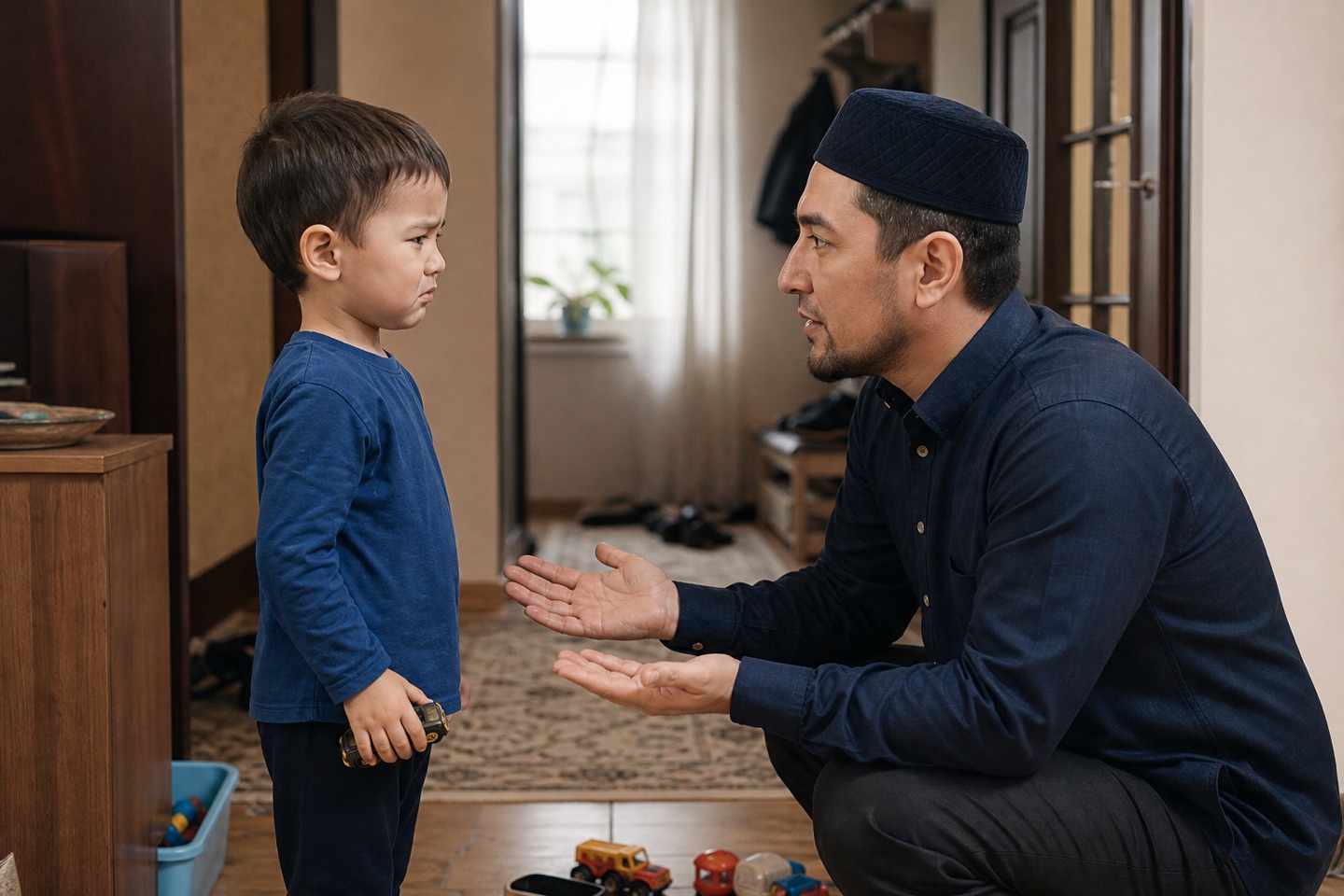
Respect does not remove the adult role
Humanistic pedagogy begins not with a collection of gentle phrases but with seeing the child as a person. A child has an inner world, a right to be heard and a need to learn responsibility gradually. This does not mean that the adult abandons their role or permits everything.
A useful sequence is: restore connection first, state the boundary next, then discuss consequences. Instead of labelling the child, name what you see, stop the harmful action and help them find a safer way to express the feeling.
Cooperation does not remove expectations. It changes how they are communicated: fewer threats and less shame, more clear agreements, age-appropriate choices and consistent family rules. Responsibility is handed over gradually as the child matures.
Connection, boundary, consequence
When the adult is overwhelmed, a parenting technique rarely helps. Pause, lower the intensity and name when you will return to the conversation. Children learn regulation largely through repeated experience with a regulating adult.
A consequence should be connected to the action, possible to carry out and known in advance. A child who spills water helps clean it; a broken screen agreement changes screen access according to a clear rule. Humiliation, fear and deprivation of basic needs do not teach responsibility.
Choice works only inside an adult boundary: 'the blue or grey jumper', not 'whether to attend school today'. The younger or more overwhelmed the child is, the fewer options they need. Calm clarity is safer than a long lecture.
Bringing the approach home
Begin with one repeating situation rather than every family problem. Record the trigger, the adult's usual response, the child's response and one new short phrase. After a week, measure not perfect obedience but whether shouting, conflict duration and repeated commands decreased.
Islamic values and a humane approach can meet in mercy, dignity, justice and personal example. Specific religious rulings should still be distinguished from an author’s pedagogical ideas and referred to a qualified scholar when needed. If a parent repeatedly loses control or the child is dangerous to self or others, the family needs in-person professional support rather than another technique from an article.